
Why You Can't Move On: Effective Healing Tips
Mental Health, Healing, Relationships
Why You Can’t Move On (And What Actually Helps)
If you’ve ever wondered, “Why can’t I just get over this?” you’re not broken or dramatic—you’re human. Understanding what keeps you stuck is the first step toward real, lasting healing.
Why You Can’t Move On
When you can’t move on—from a breakup, a betrayal, a painful childhood, a church experience, or a season of burnout—it’s easy to blame yourself. Maybe you’ve told yourself you’re “too sensitive,” “too attached,” or “not strong enough.” But feeling stuck is rarely about weakness. It’s usually about unfinished emotional business.
Our brains and bodies are wired to protect us. When something hurts deeply, your nervous system remembers. If you grew up needing to be the good girl, the peacemaker, or the perfectionist, you may have learned to minimize your own pain to keep the peace or to feel loved. That pain doesn’t disappear—it just goes underground and resurfaces later as anxiety, overthinking, or not being able to “let it go.”
You may feel stuck because:
You never had space to fully grieve. You were expected to be “fine,” stay strong, or move on quickly, so the grief is still there, waiting to be seen.
Your story was minimized or dismissed. Maybe people told you it “wasn’t that bad,” or that “others have it worse,” leaving you questioning your own reality.
Your identity got tangled up in the pain. When a role, relationship, church community, or standard of perfection defined you, letting go can feel like losing yourself.
Old wounds keep getting triggered. Current situations tap into much earlier experiences of feeling unsafe, unseen, or not enough, so the reaction feels bigger than the moment.
For many women, especially those navigating faith, people-pleasing, and perfectionism, “moving on” has often meant pushing past feelings with spiritual language, productivity, or caretaking everyone else first. That may have helped you survive—but now it may be the very thing keeping you from healing.
📌 Key Takeaway: You’re not stuck because you’re weak. You’re stuck because your pain hasn’t had a safe, honest place to land.
What Actually Helps You Move Forward
Healing isn’t about forcing yourself to “get over it.” It’s about gently walking through what happened—with support, tools, and compassion. Here are some ways women I work with at Kellie Murry Therapy begin to feel more grounded and free again.
1. Naming the Truth of What Happened
Healing starts when you stop minimizing your story. Saying, “That really hurt me,” or “What I went through was traumatic,” is not self-pity—it’s honesty. In therapy, we slow down and gently put words to experiences you’ve carried alone for a long time, including spiritual or relational wounds that feel hard to talk about in church spaces or with family.
2. Letting Yourself Feel Without Judgment
You may have learned to shut down tears, anger, or disappointment because they were labeled “too much” or “not godly.” But emotions are signals, not sins. In a safe, confidential space, you can practice feeling your feelings without rushing to fix them, justify them, or spiritualize them away. This is often where anxiety begins to soften.
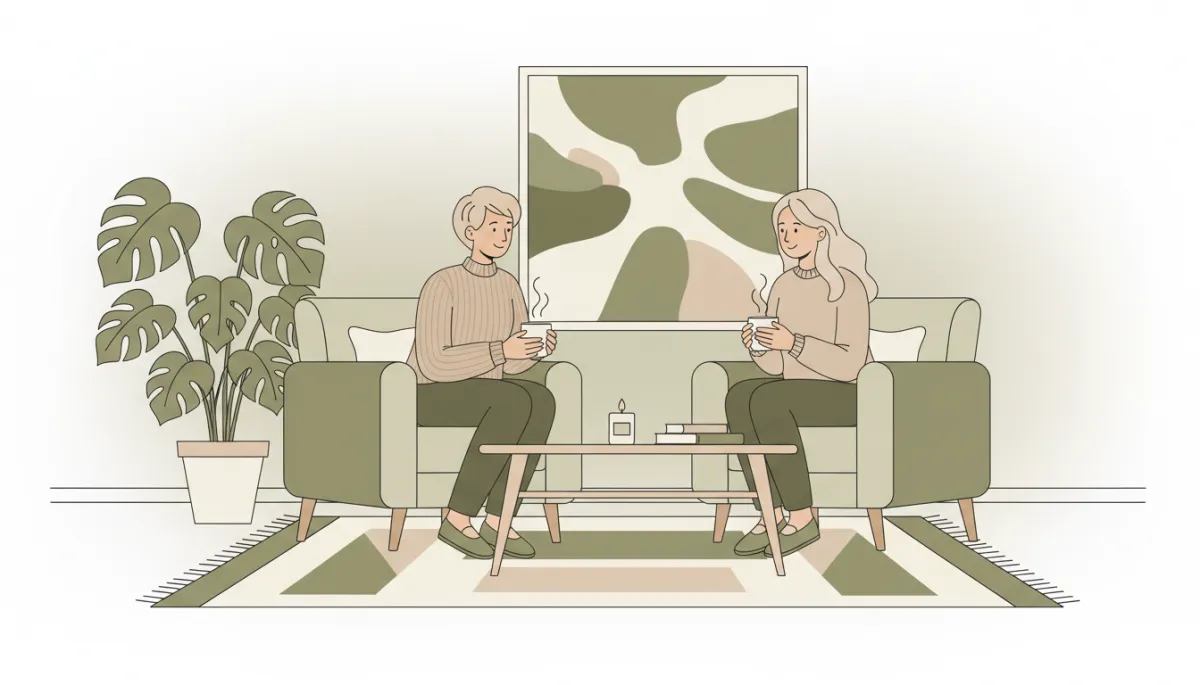
Having a safe, steady listener makes it easier to feel and release what you’ve been holding in.
3. Untangling Guilt, Shame, and Faith
Many women carry quiet questions like, “If I really trusted God, wouldn’t I be over this by now?” or “Is it wrong to feel angry about what happened in my church or family?” Together, we explore the difference between toxic shame and healthy conviction, and we make room for a faith that comforts instead of condemns. Your spiritual life can be part of your healing, not another source of pressure.
4. Learning New Patterns, Not Just New Thoughts
You can’t move on while living the same patterns that keep you stuck. That might mean:
Setting boundaries with people who drain or dismiss you
Saying “no” without over-explaining or apologizing
Practicing rest without earning it through perfection or performance
In therapy, we work on small, doable shifts that help your nervous system experience safety, self-respect, and choice—so “moving on” becomes less of a demand and more of a natural outcome of living differently.
5. Receiving Support Instead of Doing It All Alone
You were never meant to heal in isolation. Having a compassionate, nonjudgmental therapist who understands anxiety, trauma, people-pleasing, and faith-related struggles can make the journey feel less overwhelming and more hopeful. In therapy, I walk with you at your pace, honoring both your story and your strength.
💡 Gentle Reminder: Moving on doesn’t mean forgetting, excusing, or pretending it didn’t matter. It means you’re no longer carrying it alone.
You Don’t Have to Stay Stuck Here
If you’re tired of asking yourself why you can’t move on, there is another way. With compassionate, personalized therapy, it’s possible to feel more grounded, more connected to yourself, and more at peace with your past— even if it still hurts sometimes.
You deserve a life where your worth isn’t defined by what happened to you, how perfectly you perform, or how much you do for everyone else. You deserve space to heal, grow, and move forward in a way that honors both your heart and your faith.
If you’re a woman in California ready to take that next step, I’d be honored to walk alongside you. Schedule Your Free Consultation and begin the process of moving on—with support, not pressure.