
Why Rest Doesn't Feel Restful: Understanding Why
Mental Health, Rest, Anxiety, Women’s Wellness
Why Rest Doesn’t Feel Restful (Even When You’re Taking a Break)
You finally sit down, cancel plans, or take a day off—yet you still feel wired, guilty, or exhausted. If “rest” never actually feels restorative, you’re not alone, and there are real reasons why this happens.

1. Why Rest Doesn’t Feel Restful
Many women tell me, “I took a break, but I still feel drained.” Rest doesn’t feel restful when your body is still and your mind is racing. On the outside, you’re on the couch. On the inside, you’re replaying conversations, worrying about the future, or mentally rewriting your to‑do list. Your nervous system never actually gets the message that it’s safe to relax.
If you live with anxiety, people‑pleasing, perfectionism, or a history of trauma, “doing nothing” can even feel uncomfortable or wrong. You may have learned that your worth comes from being productive, helpful, or “the strong one.” So when you slow down, a quiet but powerful voice may whisper: “You’re being lazy. You should be doing more. God wants you to work harder.”
Over time, this creates a painful cycle:
You feel overwhelmed and exhausted.
You try to rest, but feel guilty or restless.
You go back to pushing through, even more depleted than before.
Rest also doesn’t feel restorative when it’s actually numbing, not nourishing. Scrolling social media, binging a show, or staying “busy” with small tasks can distract you from your feelings, but they rarely refill your emotional or spiritual tank. You may feel checked out for a little while, then suddenly slammed by the same anxiety, sadness, or shame you were trying to avoid.
💡 Gentle reminder: If rest feels hard, it doesn’t mean you’re broken. It often means you’ve been in survival mode for a long time, and your mind and body need support learning how to feel safe slowing down.
2. Rethinking What It Means to “Take a Break”
Many of us think of taking a break as simply stopping activity: closing the laptop, turning off the camera, or lying on the bed. But truly restorative breaks are less about what you stop doing and more about how you’re relating to yourself in that moment—your thoughts, your expectations, and your nervous system.
A break is more likely to feel restful when it includes three key ingredients:
Permission: Telling yourself, “It is okay to pause. I am still worthy and loved when I rest.”
Presence: Gently bringing your attention back to your body and the present moment, instead of future worries or past regrets.
Protection: Setting small boundaries around your time, phone, or responsibilities so your break isn’t constantly interrupted.
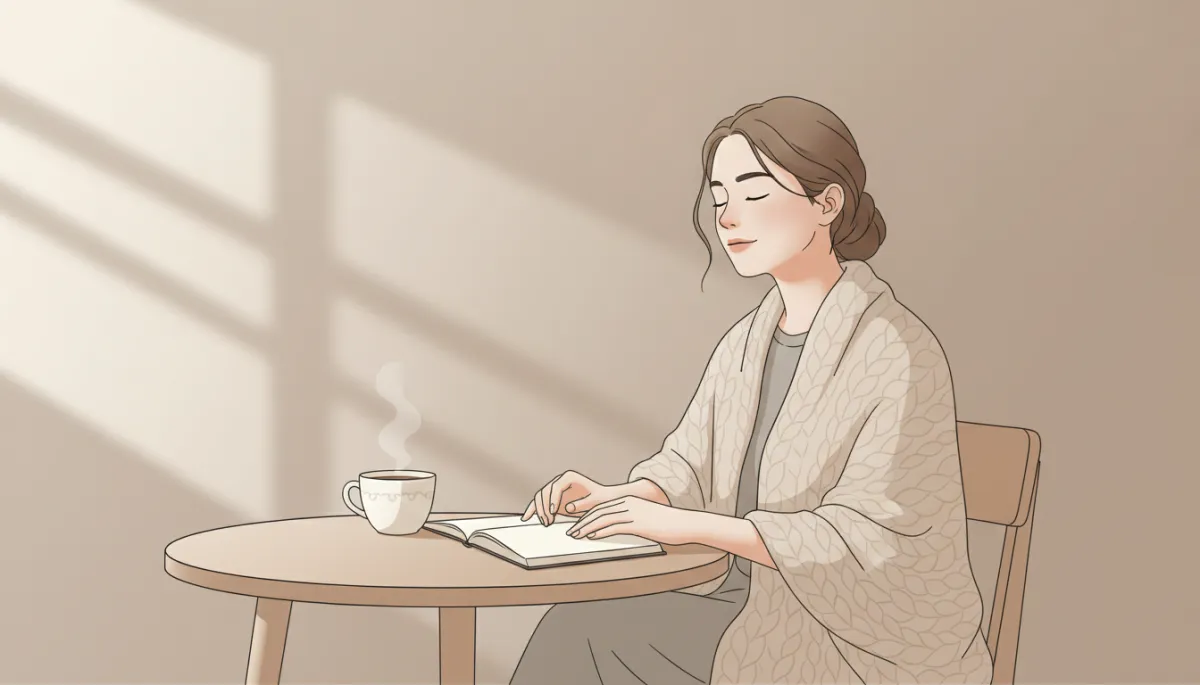
Even five intentional minutes can begin teaching your body what safety and rest feel like.
Taking a break might look like a slow walk, a quiet prayer, a few deep breaths with your hand over your heart, or journaling out the thoughts that keep looping in your mind. For some women, especially those with trauma histories, rest may initially bring up discomfort or old memories. In that case, it can be deeply healing to have a therapist walk with you as you learn to rest in ways that feel safe, grounded, and aligned with your faith.
📌 Key takeaway: Rest is not a reward you earn by doing enough. It is a God‑given need and a vital part of healing—especially when you are carrying anxiety, people‑pleasing, or perfectionism.
Moving Toward Rest That Actually Restores You
I help women throughout California untangle the beliefs, trauma, and anxiety that make rest feel impossible. Together, we explore what gets in the way of you feeling safe enough to slow down, and we gently build new patterns that support a more grounded, confident, and connected life—emotionally, physically, and spiritually.
If you’re tired of feeling exhausted no matter how many breaks you take, you don’t have to figure this out alone. With compassionate, faith‑integrated therapy, it is possible to move from survival mode into a life where rest feels not just allowed, but deeply nourishing.
Schedule Your Free Consultation to begin creating space for the kind of rest that truly restores your body, mind, and spirit.